Understanding the Science Behind Sports Physiotherapy

Understanding the Science Behind Sports Physiotherapy

Sports physiotherapy, also known as sports physical therapy, is a specialized branch of physiotherapy which deals with injuries and issues related to athletics. It involves understanding the demands of sports activities on the body, learning how to prevent injury or re-injury, and managing existing conditions to maximize function and minimize disability.

The science behind sports physiotherapy revolves around the principles of human anatomy and physiology. This knowledge allows therapists to identify areas of weakness in an athlete’s physique that could potentially result in injury. They can then design specific exercises aimed at strengthening these weak points while simultaneously improving overall athletic performance.

One key aspect of sports physiotherapy is biomechanics – the study of human movement. By analyzing an athlete’s movements during their sport, therapists can pinpoint any abnormalities or inefficiencies that may lead to injury or decreased performance. For instance, a runner with incorrect foot placement may be prone to ankle sprains or knee pain; a swimmer with improper stroke mechanics may develop shoulder problems.

Another crucial component is exercise physiology – understanding how the body responds and adapts to physical activity. This includes aspects like energy production, muscle contraction, oxygen transport, and fatigue resistance. Using this knowledge, therapists can create tailored training programs that optimize these physiological responses for improved performance and recovery.

Sports physiotherapists also utilize manual therapy techniques such as massage and joint mobilization/manipulation for pain relief and restoring normal joint function. These hands-on methods help reduce inflammation, improve blood flow for faster healing times, increase flexibility/range-of-motion (ROM), decrease muscle tension/spasms and enhance proprioception (body position awareness).

Furthermore, they incorporate modalities like electrical stimulation (E-stim), therapeutic ultrasound or cold laser therapy into treatment plans when appropriate. These tools accelerate tissue repair by promoting cell regeneration processes at a molecular level – thereby reducing pain/swelling more quickly than traditional methods alone.

Physio Clinic in Dee Why addition to treating acute injuries, sports physiotherapists also play a vital role in managing chronic conditions like osteoarthritis or tendinitis. They provide education on appropriate exercise modifications to reduce joint stress and maintain function, as well as techniques for pain management.

Sports physiotherapy is not just about rehabilitation after an injury; it’s also about prevention. Therapists educate athletes on proper warm-up/cool-down procedures, stretching exercises, hydration/nutrition strategies and equipment use (e.g., correct shoe selection for runners) to prevent future injuries from occurring.

In conclusion, the science behind sports physiotherapy is complex and multifaceted – encompassing biomechanics, anatomy/physiology, exercise science and manual therapy skills. It’s an invaluable tool in maintaining the health of athletes at all levels – helping them recover faster from injuries, enhance performance and prolong their sporting careers.

The Connection Between Sports Physiotherapy and Enhanced Mobility

The Connection Between Sports Physiotherapy and Enhanced Mobility

Sports physiotherapy is an essential aspect of athletic performance and mobility enhancement. It involves the use of various techniques and strategies to help athletes recover from injuries, improve their physical capabilities, or maintain optimal health. The connection between sports physiotherapy and enhanced mobility lies in the understanding that regular therapeutic interventions can significantly boost an athlete’s flexibility, agility, and overall movement.

Physiotherapists specializing in sports medicine have a profound understanding of how different body systems work together during physical activities. They utilize this knowledge to design personalized treatment plans aimed at improving individual athletic performance by enhancing mobility. These professionals employ various methods such as manual therapy, exercise programs, electrotherapy techniques, and advice on injury prevention.

Manual therapy is one technique used by sports physiotherapists to enhance mobility. This method involves hands-on muscle manipulation designed to relieve tension and improve circulation around injured areas. By doing so, it promotes faster healing while also increasing the range of motion.

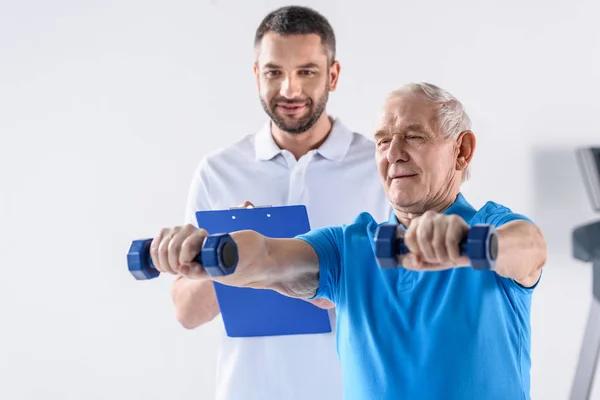
Exercise programs are another crucial component of sports physiotherapy that contributes significantly to enhanced mobility. Physiotherapists often develop tailored routines for athletes based on their specific needs or goals. These exercises target strength building, endurance training, balance improvement and flexibility enhancement – all key elements contributing get more insights towards better movement efficiency.

Electrotherapy techniques like ultrasound or transcutaneous electrical nerve stimulation (TENS) are also commonly used in sports physiotherapy for pain relief and promoting tissue repair – both vital for maintaining high levels of mobility.

Another significant link between sports physiotherapy and enhanced mobility is injury prevention advice provided by these healthcare professionals. They guide athletes on how they can avoid common injuries associated with their sport through proper equipment use, adequate warm-up routines before games or training sessions, correct postural alignment during activity among others.

Moreover, it’s worth noting that improved mobility isn’t only beneficial for competitive athletes but also recreational players seeking healthier lifestyles through active participation in various sporting activities. Enhanced mobility can lead to better performance, less fatigue, and a lower risk of injury. It also contributes to improved balance and coordination, which can be particularly beneficial for older adults participating in sports.

In conclusion, the connection between sports physiotherapy and enhanced mobility is undeniable. Through various techniques and strategies such as manual therapy, exercise programs, electrotherapy techniques, and preventative advice, sports physiotherapists play an instrumental role in improving athletes’ mobility. This not only boosts their performance but also helps them avoid injuries that could otherwise hinder their progress or even end their sporting careers prematurely. Therefore it’s essential for all athletes regardless of their level of competition to consider incorporating sports physiotherapy into their routine for optimal health and performance benefits.